Scheduled Maintenance
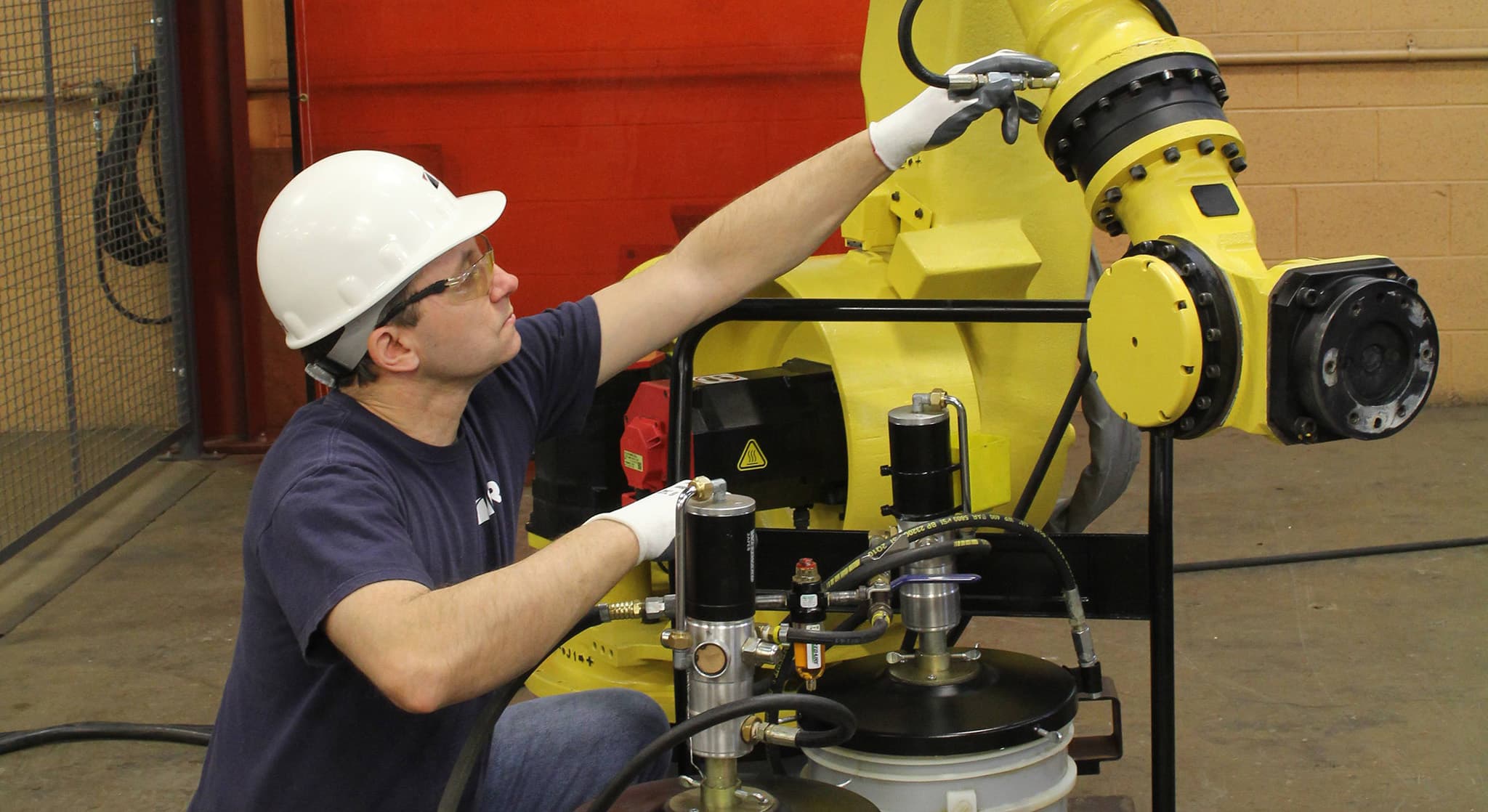
Robot Preventive Maintenance
Robot PMs reduce breakdowns, extend equipment lifespan, and lower repair and maintenance costs.
Delayed or missed maintenance shortens the life of RVs, bearings, and gears. Dead batteries erase positional data, requiring costly remastering if not backed up.
Multi-OEM Capability
Technical authority from first contact through close-out. No call centers, subcontractors, or third-party handoffs.
Flexible scheduling. Condition- or calendar-based maintenance, with SLA or as-needed PM service.
A Field Service Report (FSR) documents findings and actions taken for each robot.
Transparent pricing. Materials, labor, and travel are clearly itemized.
Upkeep vs. Preventive Maintenance
Identify soft failures before they become hard downtime.
Functional health assessment on every robot — not a quick visual check.
File and Image backups. Rapid recovery with USB and server-stored backups.
Replace batteries and audit alarm history and diagnostic logs.
Identify internal wear. Analyze grease and oil for metal content.
OEM-approved lubricants. Never use cheap substitutes.
Each robot is labeled with service date and follow-up recommendations.

Any issues—broken, missing, or out of tolerance—are communicated immediately. Repairs or replacements are handled on-site or at the workshop.

Position is recorded with brakes engaged and released to detect slippage.

A dial indicator measures play in each axis to identify wear in the RV reducer.

J1–J6 grease samples are analyzed for steel particle concentration (PPM and % by weight) to detect internal wear.

Each axis is exercised and monitored for abnormal noise, vibration, or rough motion.

Method Comparison
The grease replacement method directly affects performance and longevity.
Static exchange leaves old grease trapped in cavities and recesses. Residual contaminants act as abrasive catalysts, reducing the effective life of new grease.
Dynamic exchange moves each axis and pumps grease until it exits clear, ensuring zero cross-contamination and clean, protected joints and reducers.
What to Expect
Timing
Maintenance schedules depend on OEM, operating hours, and environment. Heavy use may require more frequent service.
Scheduling
PMs typically take 2-4 hours per robot. Schedule 5-6 months ahead of summer and holiday shutdowns.
Pricing
To provide an accurate quote, please provide:
• Robot manufacturer and model
• Controller type
• Quantity of robots
• Frequency (annual, semi-annual, etc.)
• Preferred date
Service agreements are also available to lock in timing, priority, and rates for a set period.

Full-service MRO since 1992.

300,000 SKUs
Robot parts rebuilt to OEM specifications by technicians trained in Japan by Nachi and Kawasaki.

